Pest Control: Effective Tactics to Preserve Your Dwelling and Company
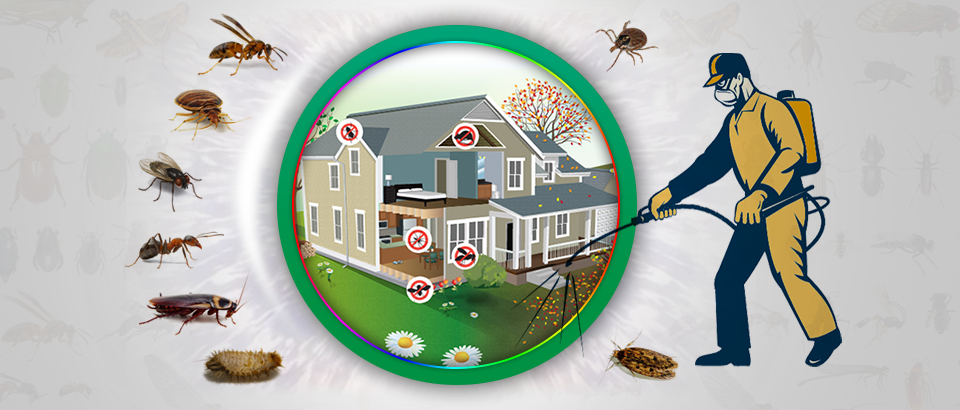
Pest Control: Valuable Systems to Safeguard Your House and Company
Foreword to Pest Control
Pest Control addresses the supervision or organization of critters classified as pests – living things that detrimentally impact human undertakings or surroundings. In New Jersey, in which numerous environments intersect with suburban and city development, productive Pest Control is not simply a extravagance but a must-have for keeping sanitary living and working atmospheres. From the widespread communities of Monmouth County to the cohesive residential areas of Matawan, pest problems can impact anyone, no matter of how sanitary or adequately preserved their home may be.
The relevance of utilizing successful Pest Control procedures should not be understated. For house owners, pests can damage foundational integrity, spoil food provisions, and create major health perils. Organizations encounter these comparable problems, with the further apprehension of name injury and potential deprivation of consumers if invasions are detected. Frequent pests in New Jersey incorporate rats and mice like rats and mice, multiple invertebrates such as ants, cockroaches, and bed bugs, and the notably devastating termites that can silently weaken a building's foundation.
Why Pest Control Is Significant
Health Threats of Pest Control Treatments
Many pests transmit and pass on disorders that can trouble people and pets. Rodents are identified vectors of hantavirus, salmonella, and leptospirosis. Cockroaches can prompt asthma attacks and hypersensitivity sensitivities, especially in kids. Ticks, plentiful in New Jersey's wooded zones, are recognized for spreading Lyme disease, while mosquitoes can carry West Nile virus and Eastern Equine Encephalitis. Specialized Pest Control enables alleviate these health threats by removing the cause of these probable disease spreaders.
Property Harm in Pest Control
The skeletal harm induced by pests can be considerable and dear. Termites solely trigger over $5 billion in building harm annually throughout the United States, with New Jersey homes being particularly prone due to the state's climate. Small mammals can gnaw through electronic wiring, producing fire perils, while their constant nibbling can injure weatherproofing, pipes, and lumber basic sections. Even seemingly inoffensive ants can impair lumber structures if abandoned untreated, chiefly carpenter ants which are typical in Monmouth County.
Monetary Ramifications of Pest Control Services
Overlooking pest problems can produce considerable pecuniary ramifications. What possibly originate as a trivial occurrence demanding simple management can promptly intensify into a major predicament necessitating broad rehabilitation. For businesses, mainly those in the food industry or hospitality sectors, pest infestations can generate flunked health assessments, interim closures, and enduring injury to status and customer trust. Financing in standard Pest Control is not only about quick satisfaction—it's a long-term monetary defense.
Pest Control: Common Household and Firm Pests
Rats and Mice (Rats and Mice)
When it involves spotting rodent problems in your New Jersey home, watchfulness is essential. You perhaps see excrement near food supplies, in compartments, or under sinks. Chew marks on food covering, timber, and electronic wiring are obvious signs of their existence. At after dark, you may distinguish abrasive clamors in dividers, roofs, or below floors as these night-time beings get animated. If you identify dwellings constructed from torn paper, material, or desiccated plant matter, that's a plain evidence rodents have built themselves home. Greasy rub marks along baseboards and partitions become visible as rodents utilize the similar paths recurrently, while your pets may present unusual deportment such as woofing or clawing at spaces under machines or furniture where rodents lurk.
Small mammals in New Jersey homes and businesses pose various dangers above pure irritation. They can corrupt food and preparation counters with bacteria found in their urination and feces. Their perpetual compulsion to chew can injure assets, remarkably wiring, which produces fire dangers. In Matawan and encompassing vicinities, the Norway rat and house mouse are notably difficult, succeeding in both built-up and suburban settings. Successful Pest Control procedures are essential to handle these detrimental trespassers.
Insects (Ants, Cockroaches, Bed Bugs)
Insect incursions present themselves in numerous manners according to the type. Ant issues get evident when you witness obvious ant tracks heading toward food reserves, or when you uncover minor piles of ground or wood splinters generated by carpenter ants. Cockroach outbreaks often exhibit themselves through dark droppings reminiscent of coffee grounds or black pepper, a distinctive fusty fragrance that infiltrates invaded places, and the existence of egg cases in obscured corners. Bed bug troubles become apparent as rust-colored speckles on mattresses and belongings, shed skins near relaxing locations, tiny blood stains on sheets, and prickly red protuberances on skin typically ordered in a string or cluster.
Insects represent the most assorted class of pests in New Jersey. Cockroaches can activate asthma and intolerances while dispersing multiple microorganisms. Bed bugs, while not disease carriers, inflict appreciable pain, sleep disruption, and psychological distress. Some ant types, like carpenter ants frequent in Monmouth County's sylvan locations, can cause foundational damage comparable to termites across time. Professional Pest Control businesses can spot particular insect classes and implement directed approach techniques that confront the specific behaviors and vulnerabilities of each pest.
Termites
Finding termite existence soon needs understanding the delicate signs of their being. You could perceive cast-off wings near portals and entries after swarmers have located a mate and established a new colony. Mud tubes on outdoor sides, wood beams, or in crawl areas act as shielded highways for these devastating arthropods. Wood that sounds vacant when struck suggests termites have been dining from internally. Portals and casements that all at once adhere may signal warping from termite impairment, while fissured or blistering paint resembling water damage often hides termite operation beneath. Locating frass—termite pellets resembling tiny wood-colored bits—furnishes another validation of their undesired manifestation.
Termites establish perhaps the most significant constructional risk between all standard pests. In New Jersey, the Eastern subterranean termite is widespread and particularly devastating. These creatures can persist concealed for periods while producing widespread destruction to timber structural components. Homes in Matawan and across Monmouth County, mainly older dwellings, are prone to termite problems. The normal charge of term pest control.
Pest Control Protection Aspects
Secure Usage of Chemicals and Chemicals in Pest Control
As products grow required in your pest control method, focusing on safety demands focus to numerous crucial methods that shield individuals, companions, and the ecosystem. Continuously study and follow product instructions precisely, as these legally-binding guidelines show extensive evaluation and official review intended to limit dangers. Apply the least efficient volume of chemical to reach elimination while minimizing unnecessary product incorporation into your residential area. Use substances only in areas stated on the product instructions, avoiding improper uses that may generate unforeseen risks or lower efficacy. Use correct safeguarding equipment as stated by chemical producers to avoid individual exposure during use. Keep substances in their initial packages with labels intact to preserve availability to safety details and avoid misidentification. Record complete notes of all treatments, writing down chemicals utilized, concentration levels, places serviced, and dates of application for future reference. Permit sufficient curing and airflow before returning to applied spaces, specifically significant in New Jersey's weather where humidity can affect setting periods. Think about safer choices when effective, as improvements in pest elimination have developed many safer options that preserve performance while decreasing likely dangers.
Shielding Companions and Kids Throughout Pest Control Services
Special safeguards become crucial when implementing pest control measures in homes with sensitive household members. Take away pets while performing application and until spaces are dry to prevent immediate exposure with damp products or vapors that could produce negative responses. Protect or take away pet meals, drinking containers, and items before service to avoid exposure that could result in accidental eating. Place children's toys apart from service zones, particularly things that small kids might insert in their lips. Sanitize and disinfect food making counters after application, even if they were not immediately treated, to get rid of any remains that might have collected during treatment. Hold young ones away from treated areas for the specified period, prolonging this duration for crawling infants who have increased immediate contact with floors and lower spaces. Evaluate animal-friendly and non-toxic to children chemical options when obtainable, as many current chemicals target certain pest anatomy while decreasing mammalian harm. Most significantly, advise qualified specialists about the existence of companions, young ones, or pregnant household members before they formulate service plans, enabling them to modify techniques and substance choices appropriately.
Governmental Standards and Adherence with Pest Control
Pest control in New Jersey check here works within a official system intended to safeguard community safety and the ecosystem while maintaining effective pest control. The New Jersey Department of Environmental Protection monitors pest management procedures, mandating qualified pest elimination organizations to achieve specific criteria. Companies must use qualified technicians who have passed official examinations demonstrating proficiency in pest science, service approaches, and protection standards. These organizations must copyright appropriate coverage insurance shielding both their applicators and their customers from possible damages or injuries linked to pest management operations. Rigid standards regulate product warehousing, shipping, and discarding to eliminate environmental pollution and illegal access. Technicians must supply Safety Data Sheets upon demand, noting the attributes and dangers of products applied in services. Warning rules relate for particular treatments, particularly in apartment structures or business areas with multiple inhabitants. Thorough treatment logs must be kept, building an audit history of pest elimination procedures. Moreover, only chemicals licensed for utilization in New Jersey may be legally utilized, ensuring that area environmental conditions and environments have been evaluated in the permission process. For business properties in Matawan and throughout Monmouth County, supplementary regulations may apply depending on the industry, especially for food industry, health, and daycare centers where pest control meets with other community wellness aspects.
Green Pest Control Solutions
Unified Pest Management (IPM) System
Comprehensive Pest Control embodies the gold level in today's pest control, focusing on extended protection through a blend of strategies that reduce natural effect while maximizing performance. The IPM process starts with detailed examination and surveillance to pinpoint pest presence precisely, creating baseline data about types occurring and amount levels. This creates accurate classification of pest types, making certain elimination attempts address specific patterns and susceptibilities rather than implementing broad methods. Practitioners establish threshold quantities that justify treatment, acknowledging that the mere detection of a small number of creatures doesn't necessarily demand control if amounts continue below destructive numbers. When action grows required, IPM implements numerous treatment strategies in combination, typically initiating with minimal-risk approaches and escalating only when required. Within the method, professionals review performance and adjust strategies as needed, building a flexible approach responsive to changing circumstances. Most importantly, IPM stresses deterrence over control, handling physical and environmental elements that encourage pest groups rather than merely destroying current organisms. Many pest control organizations in New Jersey provide IPM-based services that align with the region's push toward safer pest management practices, notably in critical locations like educational facilities, healthcare establishments, and meal manufacturing facilities.
Chemical-Free Control Approaches
Productive pest control often includes non-chemical strategies that can address or minimize pest problems without inserting products into the surroundings. Physical barriers such as mesh, door sweeps, and sealing stop pest invasion totally, addressing the problem at its beginning. Physical systems like devices and barrier equipment remove active pests while avoiding further invasions. Organic controls involving helpful organisms and organisms bring organic predators that target certain organisms while maintaining helpful organisms undamaged. Cultural methods adjust the surroundings to repel pests, such as changing water schedules to reduce dampness that draws particular creatures. Area alteration lowers harborage and nutrition supplies, creating areas minimally favorable to unwanted inhabitants. For certain creatures like bed bugs, temperature treatments deliver very successful treatment without chemical leftovers by boosting thermal levels above the heat killing level for all life cycles of the target pest. In the same way, cooling techniques for warehoused goods creatures like food insects or kitchen moths can eradicate infestations in food products without toxic contamination. These methods prove especially valuable in New Jersey's diverse areas, where nearness to liquid bodies, protected ecological zones, and thick population centers forms multiple conditions where pesticide limitation turns beneficial or necessary.
Eco-Conscious Pest Control Management Approaches
The pest control business continues to progress toward greater green procedures that preserve effectiveness while minimizing surrounding influence. Natural insecticides sourced from plant extracts like chrysanthemum extract, neem, and concentrated extracts offer precise management with decreased persistence in the environment. Organic agents including organisms, spores, or pathogens that target specific pest species supply precision that traditional general pesticides can't match. Reproductive inhibitors that prevent pest breeding by blocking with life cycle cycles provide lasting community reduction without quick harmful influences on mature organisms. Attractant traps that monitor or disturb pest mating assist figure out when intervention becomes needed and can avoid breeding in specific species. The business more and more uses reduced-risk pesticides with limited environmental footprint, shifting away from previous compounds with broader effects on secondary species. Targeted usage technologies that minimize total chemical usage apply services specifically where essential rather than distributing chemicals throughout large regions. Eco-friendly accreditation initiatives for pest management organizations set criteria for naturally superior treatment and provide consumers with plain recognition of providers dedicated to eco-conscious practices. In ecologically critical locations of New Jersey, featuring parts of Monmouth County with distance to water systems, these environmentally-friendly strategies are specifically useful for preserving both individual safety and wild habitats while continue to providing effective pest control.
Finding a Local Pest Control Service Provider in New Jersey
Capitol Exterminating System
272 NJ-34
Matawan, NJ 07747
(732) 441-1900
Often Asked Inquiries (FAQs) about Pest Control
How commonly should pest control be conducted?
For numerous New Jersey homes, quarterly pest control offers adequate protection against cyclical pest pressures. This routine corresponds with the area's distinct periods, each producing different pest difficulties that call for preventive consideration. Early season services commonly address emerging ant communities and hibernating insects turning lively. Summertime procedures concentrate on mosquitoes, parasites, and different aerial bugs that flourish in heated conditions. Cool season services prepare houses for small mammals and overwintering insects searching for harborage as weather decline. Cold season treatments keep security against inside pests while dealing with rodent activity at its highest. Nonetheless, this frequency may grow for structures with particular risk conditions or ongoing problems that demand additional thorough handling. Properties near forested areas in Monmouth County may benefit from extra parasite and mosquito control treatments within peak cycles. Buildings with past of particular pest troubles commonly demand focused follow-up treatments above the regular seasonal timing. Commercial establishments, especially dining preparation operations in areas like Matawan, frequently require monthly attention to maintain adherence with sanitary regulations and prevent issues that could harm image and business functions.
Is qualified pest control protected for pets?
When conducted properly, expert pest control can be safe for pets through deliberate chemical choosing and usage approaches that limit contact. Today's specific treatment procedures and minimal-impact substances have significantly bettered security profiles versus previous pest control strategies. Current procedures regularly use products explicitly created to have reduced harm to animals while staying successful against designated creatures with distinct physiologies. Qualified professionals receive preparation in application procedures that put materials in zones pets cannot enter, such as structural gaps, openings and spaces, or behind appliances. However, pets should be moved while performing service and until all services have set entirely, observing particular pause durations recommended by the material producer and technician. Water tanks should be enclosed and air devices shut down during treatment to avoid exposure from airborne matter. Pet items containing sleeping areas, toys, and feeding bowls should be taken away or protected while performing procedure. Discuss any issues with your pest control service, who can suggest appropriate pause times according to the individual treatments utilized and change methods for families with specifically vulnerable pets like flying animals or reptiles that may have separate physical weaknesses than felines and dogs.
What are the indicators of a severe pest issue?
Apart from apparent pests themselves, various warning indicators reveal possibly major infestations calling for prompt pest control action. Strange smells frequently emerge with extensive issues – damp, greasy odors may show mice and rats, while sugary, distinctive aromas at times come with German cockroach populations. Puzzling building harm like falling boards, peeling finish, or deteriorating wood may show termite presence or wood-boring ant invasions destroying building parts. Unusual sounds within partitions or lofts, notably at evening, commonly reveal mouse and rat movement as these nighttime organisms become energetic in unseen locations. Plentiful dust looking like fine sawdust around timber components may in fact be droppings or droppings from timber-damaging creatures. Some households have puzzling wellness troubles like lung issues or irritation that resolve when absent from residence, probably suggesting insect issues affecting internal air standard. In New Jersey homes, focused care should be directed to basement and lower areas where dampness issues can maintain pest communities, particularly in aged properties throughout Monmouth County where base openings and crumbling binding offer numerous penetration locations. Encountering several dead bugs of the similar type suggests a larger community near, while residue signs along trim show set rodent passages with frequent movement.
Can I prevent organisms without pest control pesticides?
Yes, various organisms can be prevented through suitable hygiene, blocking, and environment modification without applying toxic applications. The foundation of chemical-free pest control starts with complete blocking work – closing openings, gaps, and openings that permit organisms to access homes in the first spot. Setting up entry sweeps, fixing broken barriers, and filling infrastructure access points removes usual penetration spots. Getting rid of nutrition options through appropriate meal storage in secure receptacles, prompt elimination of messes and bits, and frequent refuse disposal significantly minimizes draws that bring insects indoors. Reducing moisture by repairing seeping fixtures, bettering air circulation in wet spaces, and dealing with runoff concerns removes the liquid sources many creatures call for. Preserving a buffer zone around structures by cutting vegetation, clearing organic debris, and holding fuel lifted and distant from structures decreases hiding spaces and entry places. Employing physical obstacles like copper screen or iron stuffing to seal more significant openings delivers enduring exclusion for rodents and rodents. Consistent maintenance that contains suction cleaning fissures and gaps removes bug larvae and nutrition debris that support pest breeding. For present issues, nonetheless, some form of treatment material may be required to solve set troubles, though numerous safer solutions are available such as diatomaceous earth, boron substance, and bug-eliminating soaps that offer lowered threat versus traditional substances.
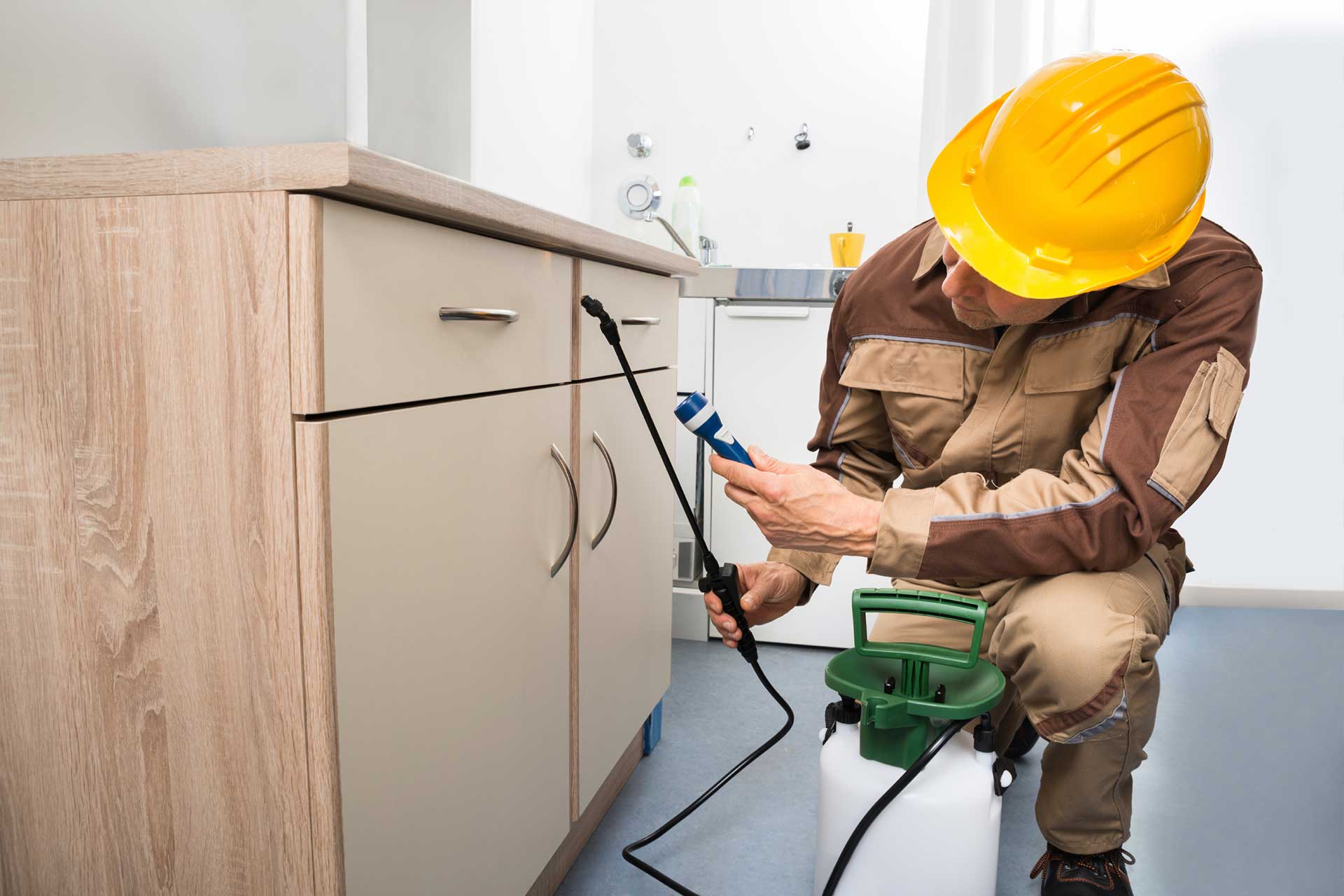
What should I expect throughout qualified pest control application?
A specialist pest control application typically commences with a detailed inspection to determine pest kinds, entry locations, and favorable situations contributing to the trouble. The technician should take time inspecting both inside and exterior locations, paying particular care to kitchens, bathing facilities, lower levels, and border foundations where pest presence regularly gathers. Following this inspection, the specialist should detail their observations in completeness and recommend a service program adapted to your specific situation, discussing both the designated organisms and the procedures suggested for treating them. You may obtain setup guidelines before service, probably containing repositioning furniture, clearing individual areas, or containing pets. During the procedure, the specialist will apply correct products to focused zones considering the pest types recognized, emphasizing on openings, gaps, and pest harborage areas rather than distributing procedures around complete areas. They may set up monitoring devices like bug devices or bait stations that help follow development and offer continuing defense. After ending treatments, a qualified person should clarify any after-service precautions such as airflow requirements, access intervals, or surfaces to sanitize. Before exiting, they should set up return treatments if required for notably challenging creatures like bedbugs or German insects that commonly need numerous applications for complete eradication. Throughout this procedure, experts should accept inquiries and give understandable details about the substances and procedures used, reflecting their instruction and devotion to both success and safety.
Productive pest control is an crucial part of sustaining safe, harmless dwelling and commercial settings in New Jersey. From the humid summers that generate mosquitos and blood-sucking insects to the colder seasons when small mammals search for harborage within, pest threats continue a year-round worry for residents and organizations in Monmouth County and Matawan. By understanding typical insects, employing preventive steps, and recognizing when to pursue professional help, home operators can safeguard their properties and the health of residents.
Adopting a preventive approach to pest control is consistently greater efficient and affordable than handling to active infestations. Consistent assessments, appropriate upkeep, and handling tiny concerns before they worsen can stop the significant expenses and interruptions associated with substantial pest troubles. When professional assistance turns essential, picking a trustworthy, authorized pest control provider who applies combined pest treatment approaches provides effective outcomes with minimal natural footprint.